
Struggling with Self-Employment Taxes? Here’s What You Need to Do
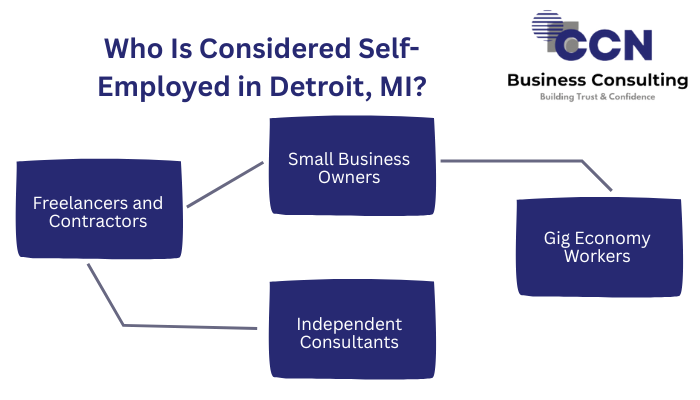
Self-employment is beneficial because of many perks it provides, including flexibility in working hours, selection of clients and building a company in accordance with your ideas. Freelancer, consultant, contractor, or a small businessman – in all these cases you get more freedom in your job.
Nevertheless, with all these freedoms comes additional financial responsibility. Being self-employed means being responsible for yourself and having to pay taxes independently rather than having this responsibility shifted on your employer. If you do not know how to deal with these tasks or do not have precise records of your financial state through the whole year, it can become very challenging.
In fact, self-employment taxes should not bring you stress at all. With correct planning and proper help you will have to spend minimal efforts to satisfy the requirements of the IRS.
Why Self-Employment Taxes Are Difficult to Navigate
Most independent workers find it difficult to manage their taxes. There are no third parties involved such as an employer who will file payroll taxes or hold any income tax, leaving everything entirely to you.
Below are some of the difficulties self-employed persons usually face.
Payment of Income and Self-Employment Taxes
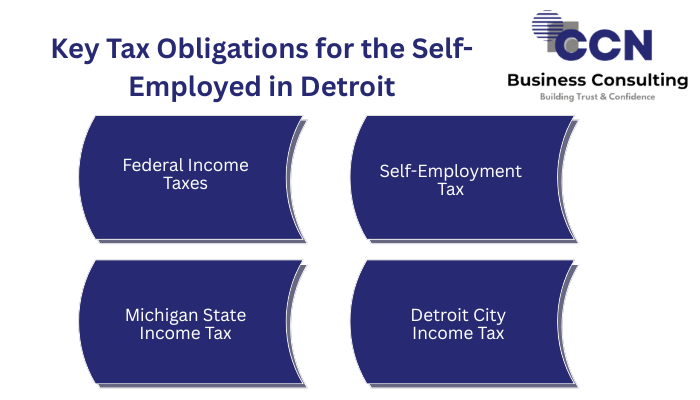
The first realization most people make when starting a business is that they have to pay both federal and state income taxes and self-employment tax.
Self-employment tax entails the payment of Social Security and Medicare taxes. For a salaried employee, the taxes are split equally with the employer, but when working independently, one pays both of the amounts.
This leads to having to pay more tax than expected by those who are just starting up a business.
Making Quarterly Estimated Tax Payments
As taxes are not withheld from your salary, the IRS normally expects people who are self-employed to make their own tax payments on their own during the year.
The tax payments are usually made quarterly and depending on your estimated annual income. Not meeting the deadlines may mean that you will have to pay penalties and incur interests.
Tracking Business Expenses Correctly
It costs to run a business, yet not all purchases are considered deductible expenses.
Documentation is required for:
- Purchases made for the business
- Equipment and supplies
- Travel
- Office
- Marketing
- Professional services
In order to prevent losing out on important deductions, or in case your tax return is audited by the IRS.
Understanding Tax Deductions and Credits
There are many deductions and credits available through tax laws that help self-employed professionals reduce their taxable income.
However, many entrepreneurs ignore this or make mistakes when claiming them. By learning about allowable expenses, you can greatly reduce your tax liability.
What You Need to Do to Stay on Track
Taxes become easy to handle if you practice sound financial behavior all through the year and not just at tax time.
Maintain Accurate Bookkeeping
Good record keeping serves as the cornerstone of sound tax practices. Everything you earn and every cost incurred by your business needs to be recorded.
Having correct financial records will help you to:
- Accurately report your income.
- Claim all possible business deductions.
- File your taxes faster.
- Keep track of the financial well-being of your business.
- Decrease your chances of errors by the IRS or audit.
- Make informed business decisions year round.
Many self-employed individuals use accounting software for recordkeeping purposes, whereas some engage the services of bookkeepers who make sure that their financial records stay up to date.
Make Your Quarterly Tax Payments on Time
Putting off your taxes until the end of the year could become a very difficult task for you financially.
Rather than doing that, you need to project your yearly income and then pay your quarterly taxes.
A good method of paying your taxes would include:
- Projecting your yearly income.
- Reserving some money from all the money you receive.
- Evaluating your income each quarter.
- Making changes in your estimated taxes according to your income.
- Making your payments well before the deadlines set by the IRS.
This practice will enable you to stay away from getting heavy taxes and help you manage your finances.
Take Advantage of Every Available Tax Deduction
In most cases, the problem with paying too many taxes is the fact that many professionals forget to deduct their allowable deductions.
Here are some examples of allowable deductions that you could be overlooking:
Deductions for Home Office Expenses
Where you regularly work from a specific room in your house solely for business, then you might be able to claim deductions on:
- Rent or mortgage payments
- Utility bills
- Property tax bills
- Home insurance
- Internet bills
Internet and Phone Expenses
Costs associated with Internet access and phone usage that are incurred for business purposes can also be deducted.
Business Travel
Travel costs associated with client meetings, conferences, and other similar activities can be deducted.
These costs include:
- Airfare
- Hotel charges
- Car rental costs
- Parking fees
- Business meals (under IRS guidelines)
Software & Internet Subscriptions
Quite a number of companies rely on software programs in order to work effectively.
The subscriptions that are taken for software for bookkeeping, customer relationship management, designing, project management, cloud storage, video conferencing, and any other application used by the company can be deducted from taxes.
Taking good records through the year is important for maximum tax benefits.
Separate Business and Personal Finances
One of the biggest errors made by self-employed people is mixing business and personal expenses.
Setting up a business bank account gives you some distinct advantages.
With a business bank account, you can:
- Maintain a good record of your business expenses.
- Simplify bookkeeping.
- Better determine profitability.
- File taxes quicker.
- Gain the trust of banks and clients.
- Make tax filing simpler.
It also becomes easier for you to determine the deductible business expenses by using different credit cards and bank accounts.
Invest in Year-Round Tax Planning
Most individuals only give taxation a thought when filling their yearly returns.
Good businessmen understand that tax planning is a constant activity conducted throughout the year.
By conducting professional tax planning, one can:
Estimate annual tax liability.
- Discover potential deductions well before the end of the year.
- Plan large capital acquisitions.
- Manage income and expenses to optimize tax savings.
- Manage cash flow more efficiently.
- Prepare for growth of your business.
Taxation will no longer be seen as a surprise, but rather, a way to minimize your tax obligations in a legal manner.
Work With Experienced Tax Professionals
Tax laws keep changing every now and then; hence, it becomes hard for an individual to keep track of every new law while running his business.
Working with knowledgeable tax experts gives great peace of mind.
The benefits of working with professional tax experts include:
- Preparing tax returns accurately.
- Complying with federal and state taxes laws.
- Helping find deductions one may not be aware of.
- Avoiding costly mistakes.
- Dealing with IRS notices where necessary.
- Formulating tax strategies that will aid achieve one’s financial goals in the long run.
Instead of wasting time on understanding confusing tax laws, one can concentrate on meeting his customers’ needs.
How CCN Business Consulting Helps Self-Employed Professionals
Financial management is not simply about submitting your taxes once a year. We at CCN Business Consulting offer complete financial solutions tailor-made to meet the needs of self-employed people, freelance workers, consultants, contractors, and even small businesses.
Our range of services includes:
Accounting and Financial Management
Our accounting firm takes care of your financial statements and manages all your transactions while preparing financial statements for you.
Tax Preparation and Compliance
Our specialists make sure that your taxes are properly prepared, timely submitted, and comply with current Federal and State tax laws.
Tax Advisory Services
Our tax advisory services will assist you in understanding the new tax laws, making sound financial decisions, and formulating plans that would benefit your business goals.
Strategic Tax Planning
As opposed to merely preparing your tax returns, we will assist you in formulating year-long tax plans that would lower your tax liabilities, increase deductions, ensure smooth cash flows, and prepare you for success.
If you are an emerging entrepreneur or if you have been doing this for years now, we can offer you the expertise required.
Final Thoughts
Being self-employed is rewarding with great opportunities, but it means being responsible for your own money. With proper bookkeeping, estimated tax payments, separating personal expenses from business ones, maximizing deductions, and consulting tax experts, you will be able to ensure that your taxes will be much easier to pay.
Instead of stressing about unexpected payments or any other problems with taxes, you can concentrate on developing your business and your work.
At CCN Business Consulting, we are dedicated to providing self-employed professionals with the most effective tax, bookkeeping, and finance solutions. Together with our experienced specialists, we will be able to reduce your tax burden and maintain order in all the financial processes of your business.
Contact CCN Business Consulting and see what we can do for your business success.